
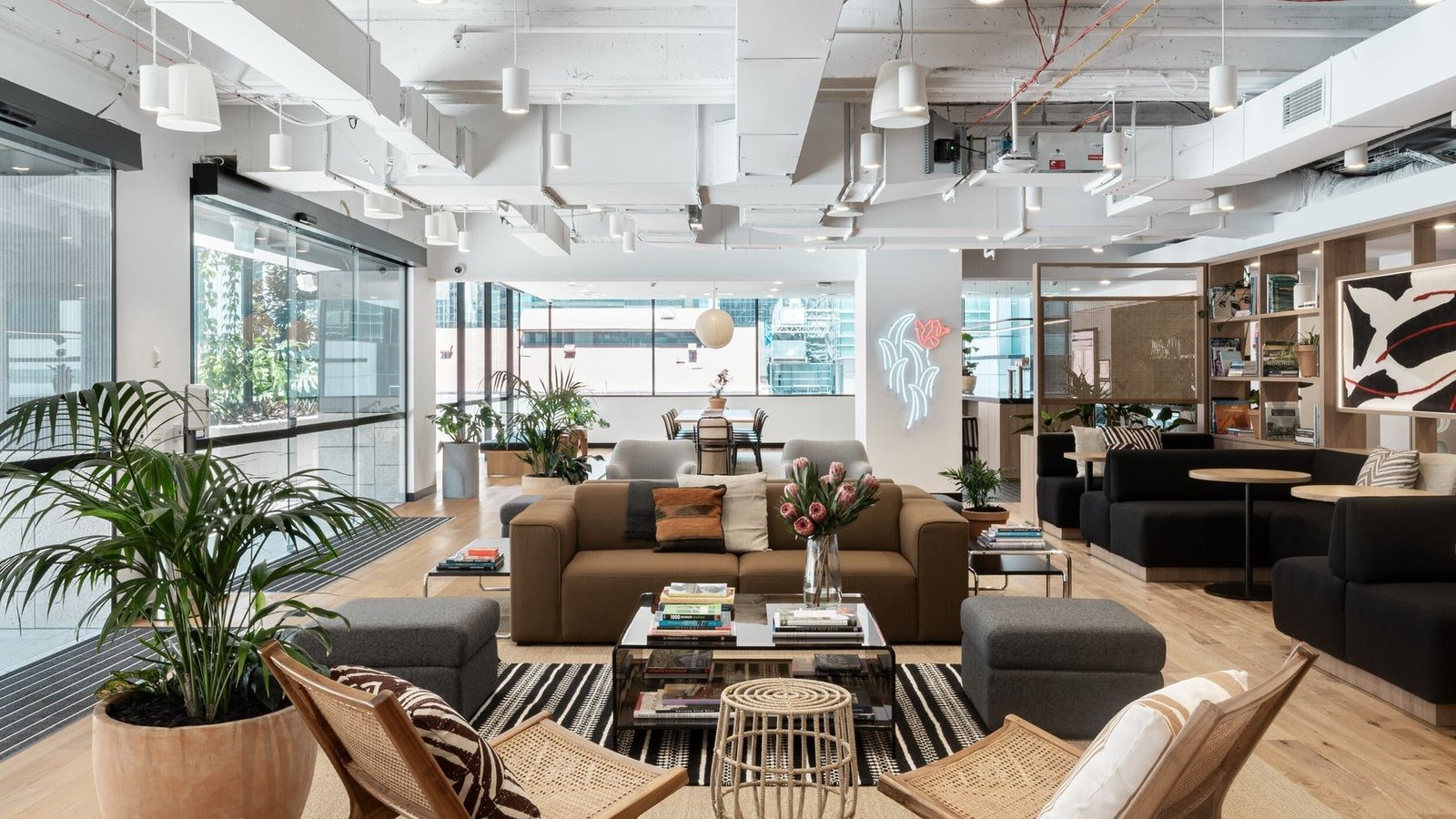
There was a time when coworking sounded like a novelty—something for startup founders with beards and freelancers with MacBooks. But blink, and it’s 2025. Now, coworking in Australia is woven into the very fabric of how we work, connect, and build businesses. Whether you’re in the heart of Melbourne’s CBD or perched in a boutique hub in Byron Bay, it’s clear that coworking has shed its “alternative” label and gone mainstream. Not just as a physical space—but as a cultural shift.
How It All Started (Hint: Not in Australia)
Coworking as a concept began in San Francisco in 2005. But Australia wasn’t far behind. Around 2007, the earliest spaces popped up in Melbourne and Sydney, catering mostly to creatives, consultants, and lone-wolf entrepreneurs. Hub Australia and Fishburners were early pioneers. Back then, the appeal was simple: a desk, some Wi-Fi, a bit of structure, and maybe a conversation that didn’t involve your cat.
By the early 2010s, things accelerated. Freelancers grew into agencies. Startups attracted investors. Remote work gained legitimacy. Suddenly, this wasn’t just about a cheaper alternative to an office—it was about building community, scaling smarter, and working better.
The Big Shift: What Changed?
Let’s be real—COVID cracked the traditional office wide open. Almost overnight, remote work became the default. But once the novelty of working in trackies wore off, people started craving something in between the corporate office and their kitchen table.
Enter coworking 2.0: agile, purpose-built, and grounded in flexibility. Spaces adapted quickly. They offered Zoom rooms, day passes, podcast studios, and even on-site baristas. Meanwhile, major companies began letting employees work from anywhere, giving coworking a massive boost—especially outside the capitals.
Australia’s Coworking Boom
Today, coworking in Australia is big business. There are more than 800 coworking spaces across the country, with new ones emerging in suburban and regional pockets faster than you can say “flexible lease.”
Melbourne’s inner north is a hotbed—Collingwood, Fitzroy, and Cremorne are buzzing. Sydney’s Surry Hills and Pyrmont are packed with modern hubs. Brisbane’s Fortitude Valley is thriving, while even places like Geelong, Newcastle, and the Sunshine Coast are hosting serious coworking energy.
Interestingly enough, coworking isn’t just for freelancers anymore. Corporates are leasing wings in shared spaces. Councils are funding regional hubs. Developers are integrating coworking into new builds. It’s no longer fringe—it’s infrastructure.
Flexible Workspace Australia: The Voice of the Industry
Coworking in Australia now has its own national industry body. Enter Flexible Workspace Australia (FWA).
Founded in 2021, FWA was created to support the rapidly growing coworking and flexible office sector. It represents operators, landlords, developers, service providers, and anyone involved in the shared workspace economy. In short, if you’re part of the ecosystem, they’ve probably got your back.
FWA plays a critical role in keeping the sector connected and future-focused. It hosts events, publishes research, advocates for policy change, and provides an industry benchmark for best practice. From major players with nationwide footprints to boutique spaces in beachside towns, FWA gives the industry a united voice—especially as demand for flexible office space in Australia continues to grow.
For anyone looking to stay ahead of coworking space trends in 2025, FWA is worth watching. Its reports offer insights into member preferences, operator challenges, space utilisation, and what’s driving growth in regional areas.
More importantly, it’s helping to shape the future of coworking in Australia—from the policy table to the front desk.
The Benefits of Coworking Spaces (That Actually Matter)
Not all coworking benefits are obvious from the outside. Yes, there’s Wi-Fi and free coffee. But that’s not why people stay.
1. Flexibility Without Compromise
You can rent by the hour, the day, or the month. No lock-in leases, no fit-out headaches, and no worrying about who’s replacing the printer toner.
2. Productivity, Reclaimed
There’s something about being around other people getting stuff done that makes you… get stuff done. No distractions from the washing pile. No three-hour naps. Just focus—with atmosphere.
3. Networking That’s Not Awkward
Coworking spaces naturally spark conversations. You might bump into a copywriter, a coder, and a CFO in one morning. It’s professional networking without the lanyards.
4. Business Perks You Can’t DIY
Meeting rooms, podcast studios, secure mailboxes, client-friendly lounges, even childcare. All the perks of a big business without being one.
5. Community Without the Office Politics
You choose how and when to engage. Some days, it’s head down. Others, it’s pizza-and-pitch night. Either way, the sense of connection runs deep—minus the micromanaging boss.
Coworking vs Traditional Office Space in Australia
Now here’s where things get spicy. If you’re still holding onto a long-term lease in a CBD tower, you might be wondering what the real differences are. So let’s break it down.
| Feature | Coworking | Traditional Office |
|---|---|---|
| Lease terms | Month-to-month or casual | 3–10 years |
| Fit-out required? | Nope | Usually, yes |
| Maintenance & utilities | Included | Handled by you |
| Networking opportunities | Built-in | Limited |
| Flexibility for hybrid | Designed for it | Often rigid |
| Upfront cost | Low to none | High |
There are still businesses that need traditional spaces—especially those with large, co-located teams. But for many Australian companies, particularly in 2025, the math no longer adds up.
Coworking Space Trends 2025
If you think coworking has already peaked, think again. The industry is evolving fast, with trends that reflect how Australians want to live and work now.
Sustainability as Standard
More spaces are going green—solar power, recycled fit-outs, bike storage, and low-waste kitchens. Coworking is becoming a lever for climate-conscious work culture.
Regional and Suburban Growth
Flexible work has sparked a tree change revolution. Spaces are opening in coastal towns, inland centres, and outer metro suburbs where workers once had to commute into the city.
Wellbeing-Centric Design
Workspaces now feature meditation rooms, quiet zones, natural lighting, and ergonomic everything. The vibe is: calm, not corporate.
Niche Communities
Spaces are forming around shared industries or values. There are coworking hubs just for female founders, creative professionals, med-tech innovators, even social enterprises.
Corporate Integration
Big companies aren’t just tolerating coworking—they’re designing policies around it. Flexible office space in Australia is now being seen as a strategic advantage, not a risk.
The Future of Coworking
Where’s all this headed? Well, coworking in Australia is set to become even more decentralised, diversified, and dynamic.
Expect to see:
- Mixed-use developments with coworking on the ground floor and apartments above
- Government partnerships funding hubs in rural areas
- Work-from-anywhere packages for employees that include coworking memberships
- On-demand booking apps for desks, meeting rooms, and private offices across networks
- Virtual coworking models blending digital and physical memberships
To be clear, this isn’t about the death of the office. It’s about the rebirth of work as something people design around their lives—not the other way around.
So, Why Does Coworking Matter So Much in 2025?
Because it reflects what modern work has become. Choice, connection, autonomy, and sustainability—all wrapped in one. Whether you’re a startup founder, a regional consultant, or part of a 500-person team that works across four states, coworking offers a way to belong without conforming.
It’s a signal that work doesn’t have to mean fluorescent lights, carpet tiles, and a one-hour commute. It can mean purpose, place, and maybe—just maybe—a better workday.
A Quick Recap
- Coworking in Australia began in the late 2000s and is now a nationwide movement
- It’s reshaping how businesses of all sizes operate in 2025
- The benefits of coworking spaces go far beyond flexible desks and good coffee
- Compared to traditional offices, it offers agility, community, and cost efficiency
- Coworking space trends in 2025 include regional growth, wellness focus, and corporate uptake
- The future of coworking is about designing spaces that support life, not just work
If you’ve been watching from the sidelines, now’s the time to pay attention. Whether you’re a business leader rethinking your leases or a remote worker tired of working solo, coworking in Australia offers more than a desk—it offers a better way to work.
Want to explore the future of work with us?
Subscribe to our newsletter, share this post with a coworker (pun intended), or check out our other blogs on all things coworking!
0 Comments