
Just when we thought the debate over hybrid work was finally settling, the Premier of NSW reignited the conversation by mandating a return to the office for all government employees. Early in August, a sweeping directive was issued, effectively ending work-from-home arrangements for the estimated 400,000 NSW government workers.
In stark contrast, the Victorian government has taken a contrary approach, allowing its employees to maintain flexible working arrangements indefinitely.
This divergence in government policies highlights the ongoing struggle businesses and organisations face in balancing employee retention with productivity.
Adding to the complexity is the issue of high vacancy rates still lingering in CBD office spaces across the country, which has prompted renewed efforts to bring people back to physical workplaces.
In Sydney, where vacancy rates have improved, but are still trending lower than usual, the directive to return could be seen as a welcome boost, with the Premier promising to fund additional desk space for government employees if needed.
However, this move is not without controversy. While some stakeholders may rejoice at the prospect of revitalised business hubs, others question the long-term implications of forcing a return to traditional office environments.
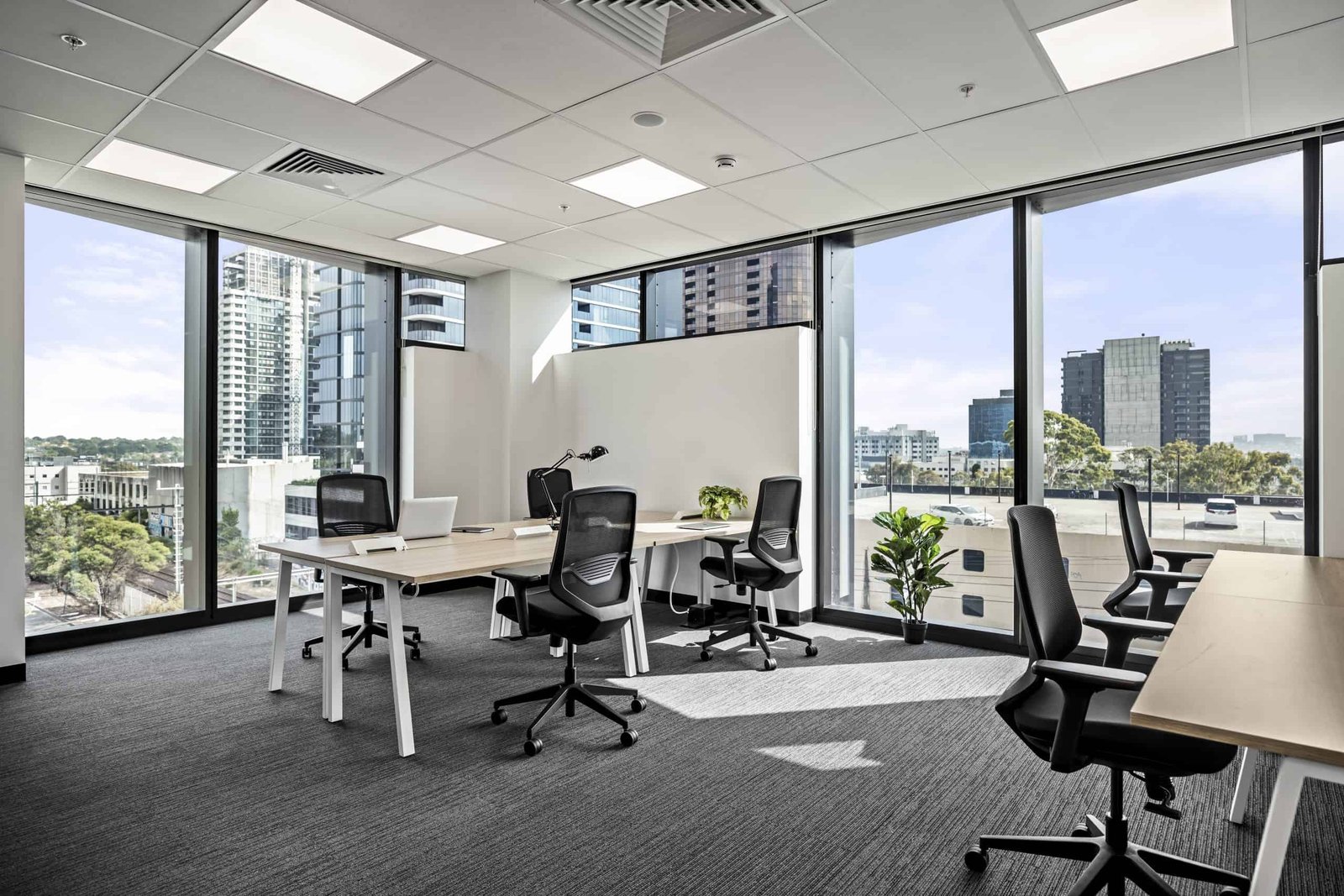
Investors with vacant office spaces have an opportunity to transform older buildings into vibrant coworking environments tailored to the modern workforce. These flexible spaces offer more than just an alternative to traditional offices, they are a strategic asset for attracting and retaining talent in a post-pandemic era where traditional office appeal is dwindling.
Coworking spaces primarily operate on a membership model, offering various access levels depending on the plan. From hot desks to permanent setups with boardroom access, these spaces cater to diverse business needs.
Additionally, coworking environments come fully equipped with state-of-the-art tech infrastructure including high-speed Wi-Fi, premium printers, and presentation areas, ensuring members have all the tools necessary for efficient and effective work. Some even offer additional services like secretarial support and IT assistance, adding further value.
Location also plays a key role in the coworking model. Prime locations, with views of iconic landmarks, may be unattainable for long-term leases, but they become accessible and affordable through coworking memberships, even if just for a day. This flexibility attracts businesses seeking inspiration and connectivity without the financial burden of a long-term lease.
Research from the Harvard Business Review shows that employees in coworking spaces report higher levels of thriving compared to those in traditional offices. This is due to the combination of well-designed workspaces and curated experiences that promote autonomy and authenticity.
These spaces often feature distinct design identities that resonate with the values and aspirations of their target markets, making them not only workspaces, but expressions of identity and community.
For investors, converting underutilised office spaces into coworking hubs not only revitalises aging properties but also taps into a growing market of professionals who crave flexibility, inspiration, and a sense of belonging in their work environment.
In doing so, they can help lure workers back to the office, on their own terms, while also generating a steady stream of revenue from a diverse and dynamic tenant base.
A conversion from traditional office space to coworking space also holds significant Division 40 and Division 43 depreciation potential that can further boost cash flow for the investor.
This article originally appeared on commo.com.au here
JOIN
FLEXIBLE WORKSPACE AUSTRALIA
Flexible Workspace Australia is the peak body for coworking and flexible workspace providers and partners across all cities and regions of Australia.
0 Comments