
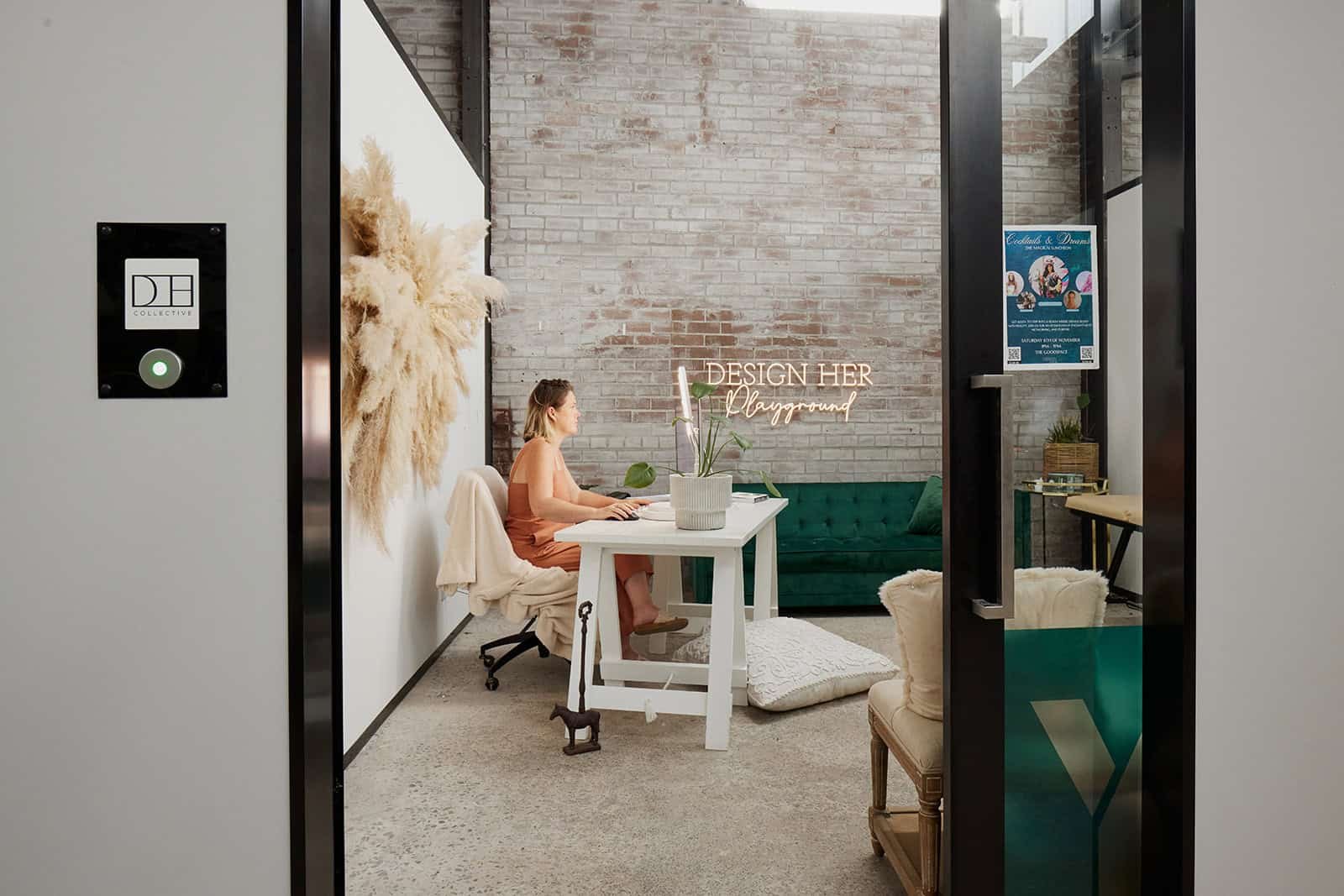
The rise of flexible workspaces is more than a trend, it marks a fundamental shift in how we work, and live. In 2025, there are multiple and varied options for individuals and companies choosing to use coworking spaces. And for operators there are very real decisions to make: private office vs hot desk — which one actually makes the cash register ring?
We’ve worked with enough coworking operators and commercial landlords over the years to know this isn’t just a trendy business debate. It’s about space. Dollars. Occupancy. And whether your layout decisions lead to sustainable income — or just a cool Instagram grid.
Today, we’re going deep into which setup wins the profit game right now, especially if you’re running a space in the Australian CBD or on the city fringe. If you’re asking, “Is a private office more profitable than hot desking?” or “Should I offer hot desks or private offices in my coworking space?”, you’re in the right place. Grab a coffee, let’s dive in.
The Coworking Landscape in 2025: What’s Changed?
First, let’s get a lay of the land.
Coworking in 2025 looks wildly different from five years ago. Post-pandemic habits are firmly cemented. Hybrid work is the norm. Big companies are downsizing floorplates and sending teams into flexible spaces. Meanwhile, solo workers are everywhere — consultants, freelancers, remote techies, the works.
But not all coworking users are created equal.
Private offices have become magnets for growing startups, boutique firms, and satellite corporate teams. These folks need privacy, security, and somewhere to hang their “vision board.” On the flip side, hot desks still serve a purpose — they’re great for flexible drop-ins, freelancers, and folks who need a desk a few times a week.
So, which model actually stacks up best in terms of revenue?
Understanding the Two Models: Private Office vs Hot Desk
What Is a Private Office?
It’s pretty much what it sounds like — a secure, enclosed office within a coworking space. Think lockable doors, set desks, sometimes frosted glass, and usually priced on a monthly basis. Users often sign short-term leases (3–12 months), making them reliable and predictable tenants.
What About a Hot Desk?
Hot desks are the communal tables or shared desks used on a first-come, first-served basis. Members typically pay weekly or monthly for access, but they don’t have a permanent desk. It’s a revolving door — great for volume, but it comes with some chaos.
The Profit Equation: Revenue Potential Compared
Let’s answer the burning question: Which is better for revenue – hot desks or private offices?
Revenue per Square Metre
Private offices win here. Why? They make more efficient use of space. You’re not just renting a desk — you’re leasing a room, often at a premium. You can charge higher monthly rates, especially if you’re in a prime spot in Sydney, Melbourne, or Brisbane.
Hot desks can fill up fast, sure, but they often leave gaps. You’re relying on constant churn and walk-ins to hit occupancy goals. You might fill 80% of the seats on a good day, but that doesn’t match the locked-in income of a private office tenant.
Client Stickiness
Private office users stick around longer. They settle in, personalise the space, bring in team members, and in many cases, grow into larger offices within your space.
Hot deskers? They’re a flight risk. One minute they’re in your space three times a week, next minute they’ve disappeared to Bali for a digital nomad retreat.
Administrative Overhead
Hot desks might seem simple — just plug and play — but managing them is a logistical puzzle. Tracking desk availability, billing for part-time access, managing bookings and Wi-Fi needs… it adds up.
Private offices, on the other hand, are low maintenance. One client, one contract, predictable billing. You see where this is going.
Real-World Data: What Operators Are Seeing
Operators we’ve worked with in city fringe locations are seeing upwards of 60% gross margin on private offices compared to 30–40% on hot desks. That gap grows wider when you factor in admin, cleaning, and vacancy rates.
One operator in inner Sydney told us that hot desks “keep the vibe alive,” but it’s the private offices that “keep the lights on.”
Hot Desk or Private Office for Small Businesses?
This one’s nuanced. Small businesses — especially lean startups or boutique consultancies — often start with hot desks and graduate to private offices.
Offering both isn’t a bad play. But if you’re limited on space, and asking “hot desk or private office for small businesses?”, lean toward private. They’ll pay more, stay longer, and appreciate the upgrade path.
Best Coworking Setup for High Occupancy Rates
You’d think hot desks, right? More people in and out, more energy.
But here’s the twist — high turnover isn’t always a good thing. Yes, hot desks can fill quickly, but they can also burn out your staff, require constant upkeep, and hurt your vibe if it becomes a revolving door.
Private offices provide longer-term occupancy and smoother forecasting. Even if your space feels quieter, your books will be happier.
Want to max out occupancy? Do both — just give private offices priority in design and square footage.
Hot Desk vs Private Office Pricing Strategy
Let’s get into the dollars.
Hot Desks
- Priced from $250 to $550/month in metro areas
- Often tiered: full-time, part-time, day-pass
- Limited ability to upsell
Private Offices
- Start at $1,000/month for a 2-person suite in the city fringe
- Scales with size: 4-person, 6-person, and custom setups
- More upselling options: signage, furniture, storage, meeting rooms
If you’re trying to build a sustainable coworking business model, private offices offer way more pricing flexibility.
Should I Offer Hot Desks or Private Offices in My Coworking Space?
Here’s the golden question. If you’ve got room for both, then absolutely offer both — but don’t treat them equally.
Think of hot desks as your marketing arm. They bring people in, create buzz, and build your community. But private offices are your cashflow engine. They pay the bills, reduce churn, and build stability.
So if you’re space-limited, prioritise enclosed offices. If you’re just starting out, use hot desks to build brand awareness, then convert those users into long-term office tenants.
Finding the Balance That Works for You
Coworking isn’t a one-size-fits-all game. Your building, location, and target market all play a part. But if you’re making choices purely on revenue, there’s a clear winner in the private office vs hot desk showdown — and it’s private offices.
They deliver more reliable income, better occupancy, and longer retention. They’re also easier to scale and less chaotic to manage.
That said, don’t write off hot desks entirely. They’re great for activating space, building culture, and creating lead gen for your private suites. Just be clear on their role in your business model.
The Verdict on Private Office vs Hot Desk
So, is a private office more profitable than hot desking? All signs point to yes — particularly if you’re running a space in the city or inner suburbs where demand for flexible, lockable offices is growing fast.
We’ve seen that private offices command higher rent, offer steadier occupancy, and attract longer-term tenants. Hot desks have their charm — they’re flexible, social, and appealing to freelancers — but they just don’t bring in the same margins or consistency.
If you’re asking, “Should I offer hot desks or private offices in my coworking space?”, here’s the short version: do both, but bet big on private.
If you found this helpful, download a copy of our Flex Futures 2025 report here and share this with someone who might still clinging to beanbags and free beer as their business model. Better yet, sign up to our newsletter and we’ll keep you updated with solid insights about the coworking and flexible space industry. No fluff, no filters — just solid insights, and the occasional bad joke.
Welcome to the future of flexible work. Let’s make it pay.
0 Comments