
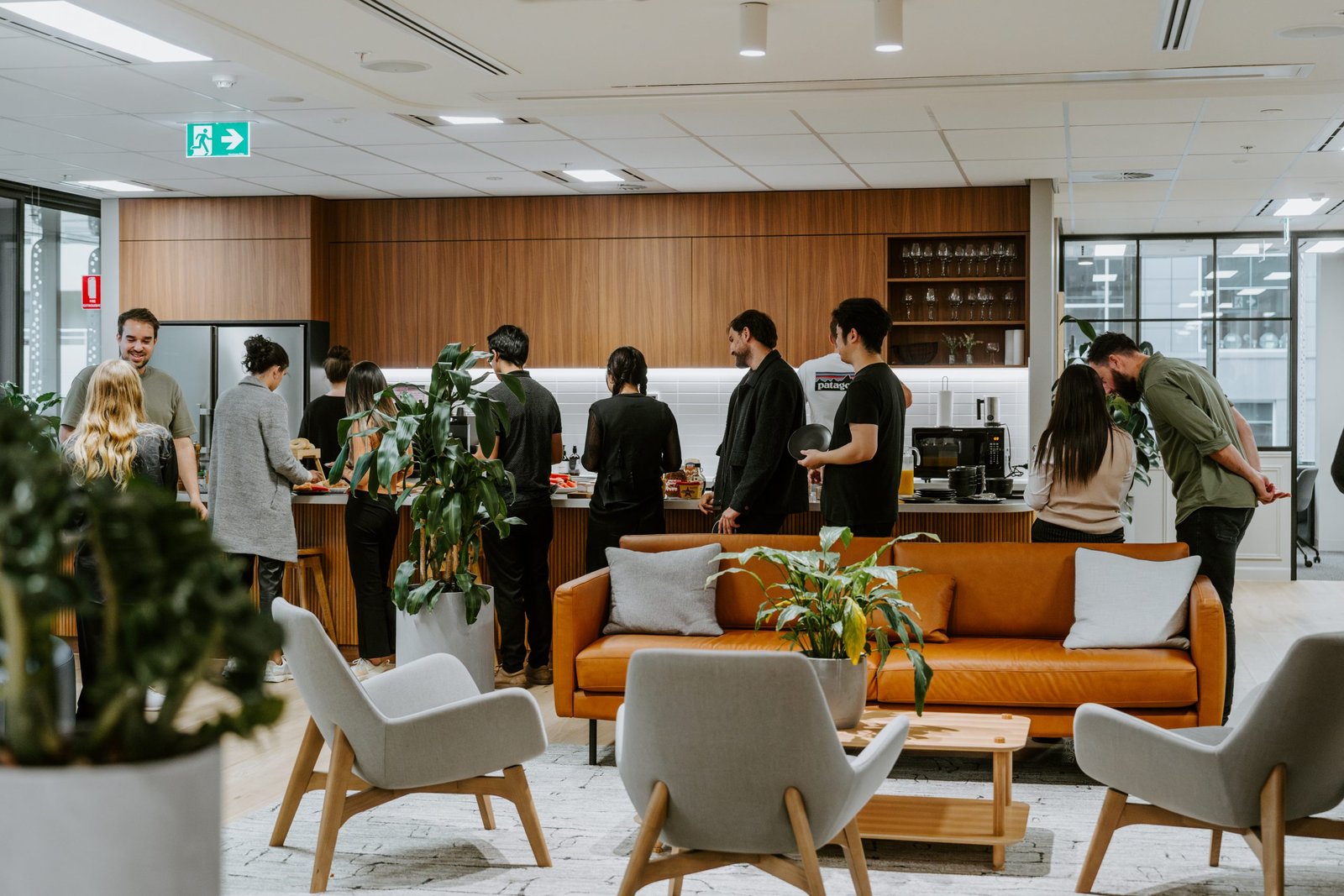
Once upon a time, workspaces were beige, boxed-in and about as inspiring as a tax return. But the world has shifted. The once-niche idea of coworking is now centre stage in conversations about how Australians work, live, and do business. And as we edge deeper into a hybrid future, the future of coworking in Australia is anything but predictable—or boring.
Coworking operators have had to weather a wild few years. Lockdowns, remote work revolutions, and shifting commercial leases have shaken up the market. Yet despite the chaos, coworking has proven itself adaptable, agile and surprisingly resilient. Now, with the coworking market forecast looking up, there are five key trends that every space should be tracking closely.
So grab a flat white and settle in. Here’s what the next wave of coworking in Australia might just look like.
Suburban Coworking Spaces Are Stealing the Show
The city isn’t dead, but the suburbs are definitely getting a glow-up. As hybrid work arrangements become the norm, many Australians are ditching long commutes and looking for professional, well-equipped workspaces closer to home.
Enter the rise of suburban coworking spaces.
From Newcastle to Narre Warren, more operators are opening flexible hubs in local communities. These aren’t just budget alternatives to CBD towers—they’re vibrant ecosystems of entrepreneurs, freelancers, parents, and part-time corporates who want connection without congestion.
The demand is real. People want local without losing out on quality. If you’re not exploring opportunities beyond capital city centres, you’re leaving serious potential on the table.
Corporate Coworking Solutions Are Here to Stay
It used to be startups and creatives dominating coworking. Now? Corporates have pulled up a chair.
Post-pandemic, large organisations are rethinking their real estate strategy. Long-term leases are out, and flexible office space membership options in Australia are firmly in.
Coworking provides a savvy solution:
- Lower overheads
- Built-in amenities
- Scalability across cities
- Access to talent pools
Some corporates are embedding teams across multiple coworking locations, using them as satellite hubs for hybrid workforces. This decentralised model offers agility and employee satisfaction without the burden of a bloated lease.
If you’re not yet tailoring your offering to accommodate enterprise clients, you’re missing a big slice of the pie. Custom solutions, private office clusters, and concierge-level support are just the beginning.
Design and Wellness Take the Lead
People aren’t returning to soulless cubicles. They’re choosing spaces that make them feel good—physically, mentally, and aesthetically.
The emerging coworking trends in Australia for 2025 centre on wellness and human-centric design:
- Biophilic elements (green walls, natural light)
- Ergonomic workstations
- Meditation and recharge zones
- Clean air and acoustics
Let’s be honest, nobody wants to collaborate under flickering fluoro lights and peeling grey laminate.
The design of your space is no longer a “nice to have.” It’s a sales pitch in itself. Operators investing in calming, functional, beautiful environments are the ones securing long-term members.
Technology Is No Longer Optional
Members expect more than Wi-Fi and a booking app. They want a smart, seamless, tech-enabled experience from the moment they walk in.
As the future of coworking in Australia unfolds, technology will be a defining edge. We’re talking:
- AI-powered room bookings
- Touchless access
- Occupancy sensors
- Data dashboards for space utilisation
Operators who leverage smart tech to improve member experience, reduce operational friction, and gain business insights will outpace those stuck in 2015.
Oh, and speaking of which, if your “virtual tour” still involves a shaky phone video from 2020, it might be time for an upgrade.
Community and Purpose Are the Differentiators
Despite all the shiny tech and clever design, people don’t choose coworking just for desks. They choose it for belonging.
The impact of remote work on coworking spaces in Australia has taught us that community matters more than ever. Isolation is real, and connection is currency.
Spaces that foster genuine community—through events, local partnerships, mentorships, or even just thoughtful design—will continue to thrive.
And beyond connection? Purpose. More members are aligning with values-driven workspaces:
- Climate-positive initiatives
- Indigenous-led spaces
- B Corp-certified operations
- Local giving and impact programs
This isn’t fluffy stuff. It’s what sets thriving coworking brands apart. In a market saturated with hot desks and espresso machines, your culture and conscience are your biggest assets.
Where To From Here?
The future of coworking in Australia is local, smart, flexible, and values-led. It’s no longer enough to offer a nice space with passable Wi-Fi and good coffee (though let’s not skimp on the coffee, obviously).
To stay relevant and competitive, operators need to:
- Expand their footprint beyond the CBD
- Create hybrid-ready packages for corporate teams
- Design for wellbeing, not just headcount
- Embrace meaningful tech that improves service
- Build authentic communities with a clear sense of purpose
This isn’t about reinventing the wheel. It’s about staying in motion while the industry evolves around you. Coworking isn’t a trend—it’s a response to a deep, systemic shift in how people work. The opportunity? It’s enormous.
Ready to lead the next chapter?
If you found this helpful, share it with your team or your community. Subscribe to Flexible Workspace Australia’s newsletter for more insights, resources and member updates. Or get in touch to explore how we’re helping operators stay ahead of the curve in 2025 and beyond at our national conference in Brisbane this August.
0 Comments