
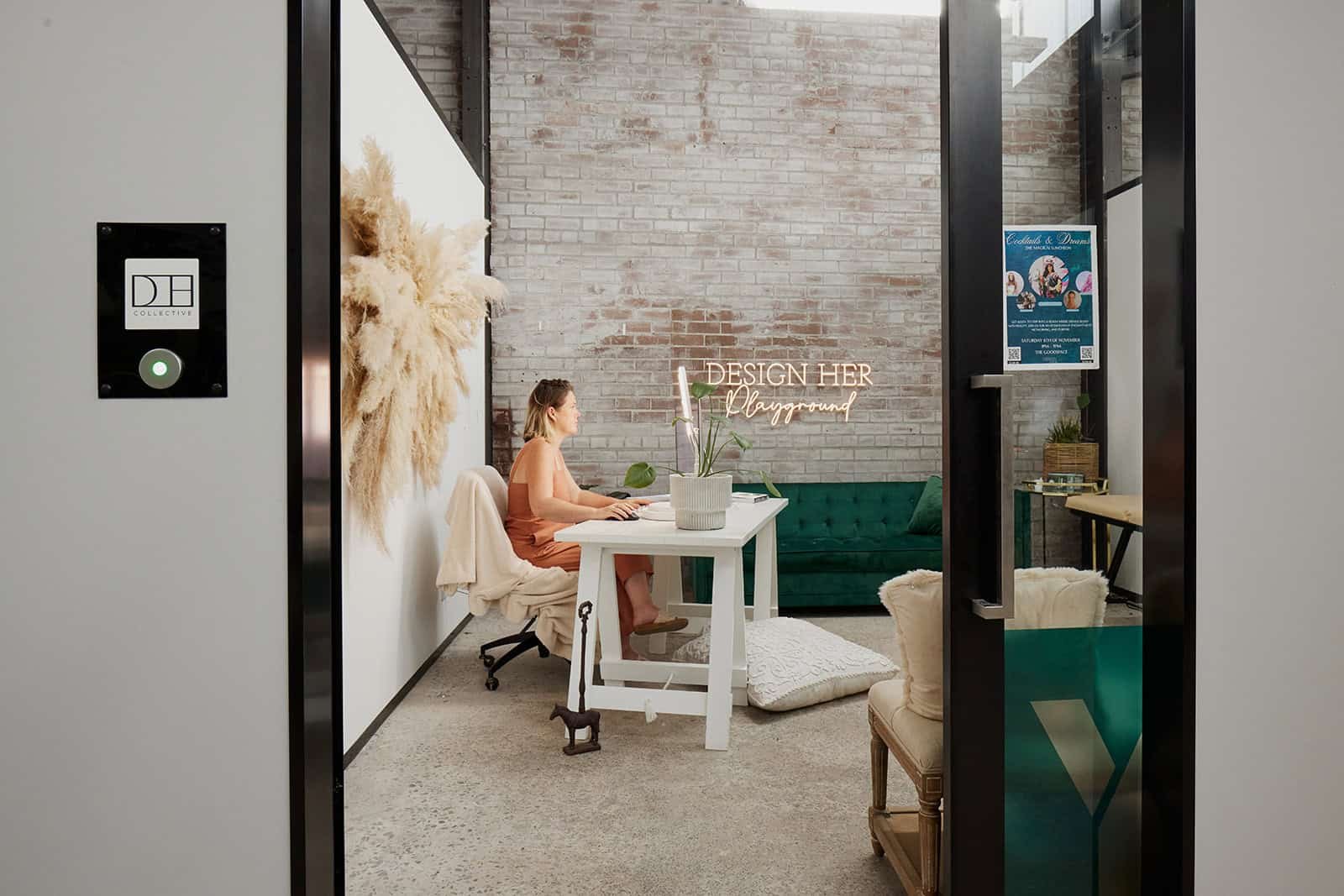
Rethinking the Modern Workplace
The contemporary office is undergoing a quiet revolution. No longer defined by cubicles or cookie-cutter open plans, today’s workspaces are being reshaped by functionality, sustainability, and financial efficiency. As hybrid work models continue to influence workplace design, forward-thinking organisations are turning to modern office fitout trends to maximise space, minimise cost, and foster productivity.
Rather than defaulting to costly full-scale renovations, many businesses are adopting a more considered, strategic approach: one that incorporates the four guiding principles of Reuse, Resurface, Recycle, and Rethink. This model not only reduces environmental impact but also delivers tangible savings and operational benefits. The result is a smarter, leaner, and more effective fitout process—one that aligns with evolving business needs without compromising on quality or aesthetic.
The Business Case for Smarter Fitouts
Commercial fitouts represent a significant investment. Yet traditional renovation methods often lead to unnecessary waste, excessive downtime, and inflated budgets. In contrast, businesses embracing sustainable office fitouts are finding ways to extend the lifespan of existing materials, streamline costs, and elevate workspace functionality—all while reinforcing environmental responsibility.
The shift is also driven by broader market expectations. Employees and clients alike are placing greater emphasis on corporate sustainability, wellness-driven design, and flexibility in the workplace. Fitouts that reflect these values are quickly becoming a competitive advantage.
The 4 R’s of Fitout Strategy
Reuse: Extending the Life of Existing Assets
Many office elements, such as workstations, joinery, and lighting fixtures, can be retained or modified to suit new layouts. Repurposing existing materials not only reduces landfill waste but also significantly lowers refurbishment costs. This approach also minimises disruption to business operations, allowing fitouts to be completed more efficiently.
Strategic reuse is one of the most practical office fitout cost-saving tips. When handled with care and vision, reused elements can match the aesthetic and functionality of newly manufactured materials—without the expense.
Resurface: High Impact, Low Intervention
Resurfacing offers a cost-effective way to transform outdated or worn components without replacement. This can include refinishing floors, repainting joinery, or applying new veneers and laminates to cabinetry and surfaces.
Incorporating resurfacing into cost-effective office renovations enables businesses to modernise the workplace while avoiding the capital costs and environmental footprint associated with complete removal and replacement. It’s an efficient solution that balances visual impact with operational pragmatism.
Recycle: Responsible Sourcing and Disposal
Recycling plays a dual role in modern fitouts—both in sourcing materials and in disposing of redundant ones. Specifying recycled or upcycled materials supports eco-friendly commercial fitouts and can contribute to Green Star or NABERS rating targets. Options include reclaimed timber, recycled glass partitions, and composite work surfaces made from post-consumer waste.
Recycling also applies to fitout waste. Responsible deconstruction and donation or repurposing of removed materials further reduces landfill impact and reinforces the organisation’s commitment to sustainability.
Rethink: Future-Ready Workspace Design
Modern office fitout trends are increasingly focused on flexibility, wellness, and smart integration. Rethinking the way space is used—rather than simply reconfiguring it—can result in a more adaptive, efficient workplace.
This may include implementing modular workstations that can shift with changing team structures, acoustic zoning for improved focus, or incorporating biophilic design elements to enhance wellbeing. Smart technologies such as occupancy sensors and energy monitoring systems also support dynamic usage and long-term cost savings.
Rethinking is where innovation takes centre stage. It enables businesses to align spatial planning with performance outcomes—creating offices that not only look modern but work smarter.
Practical Trends to Apply Today
Several accessible strategies allow businesses to begin aligning with modern office fitout trends immediately—without requiring a full-scale overhaul.
Modular Layouts
Flexible furniture systems accommodate varying team sizes and workstyles, offering scalability without the need for structural changes.
Acoustic Enhancements
Wall panels, floor coverings, and soft furnishings serve both aesthetic and functional roles, helping manage noise in open or collaborative zones.
Sustainable Materials
Specifying low-VOC paints, FSC-certified timbers, and recycled content materials reduces environmental impact and contributes to healthier indoor air quality.
Integrated Technology
Workspace sensors, automated lighting, and cloud-connected meeting systems optimise space usage and reduce utility costs.
Green Inclusions
The use of indoor plants, natural materials, and access to natural light supports staff wellbeing and boosts productivity.
Mistakes to Avoid in Fitout Planning
To ensure optimal outcomes, it’s important to avoid several common missteps in commercial fitout projects:
- Over-customisation: Highly specific design themes may limit adaptability and create future reconfiguration challenges.
- Neglecting infrastructure: HVAC, lighting, and data systems form the backbone of an effective workspace. Poor planning in these areas can lead to significant long-term costs.
- Short-term focus: Failing to anticipate growth, remote work needs, or technology integration can render fitouts obsolete within a few years.
What a Fitout Says About Business Values
An office fitout is more than a physical transformation; it reflects the values and operational mindset of the organisation. Businesses that embrace sustainable, cost-effective design send a clear message—to staff, clients, and the market—that they are responsive, responsible, and forward-thinking.
Eco-friendly commercial fitouts demonstrate a commitment to environmental stewardship. Thoughtful design supports wellbeing and fosters engagement. Efficient layouts improve productivity and reduce operational costs. In this way, every design decision contributes to broader business objectives.
Adopting modern office fitout trends is no longer a matter of aesthetics—it’s a strategic imperative. Businesses that prioritise sustainability, flexibility, and long-term value are not only improving their spaces but positioning themselves for continued success.
The four R’s—Reuse, Resurface, Recycle, and Rethink—offer a practical, scalable framework for commercial renovations that deliver lasting impact. Whether the goal is to reduce costs, support hybrid teams, or align with ESG commitments, this approach provides a clear path forward.
For those looking to take the next step, get in touch with fitout experts such as Intermain or X-Frame for expert insights on workplace design and strategy. The future of the office isn’t about following trends—it’s about leading with purpose.
0 Comments